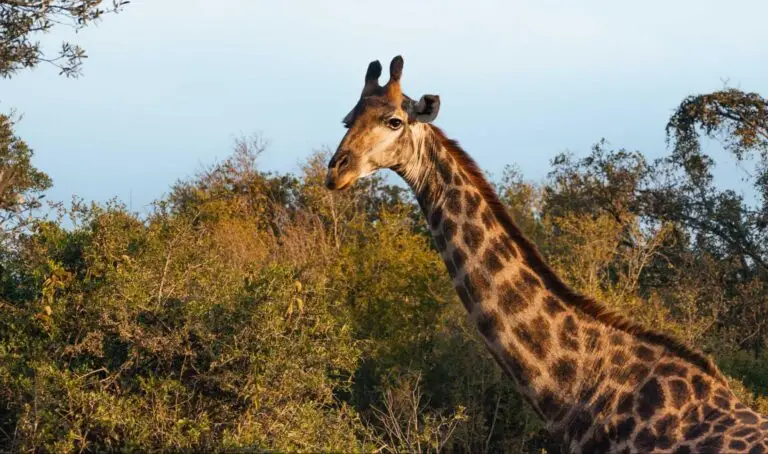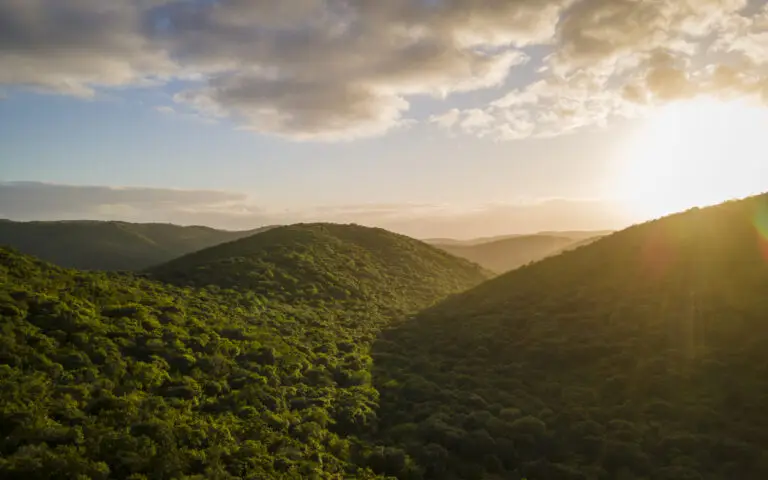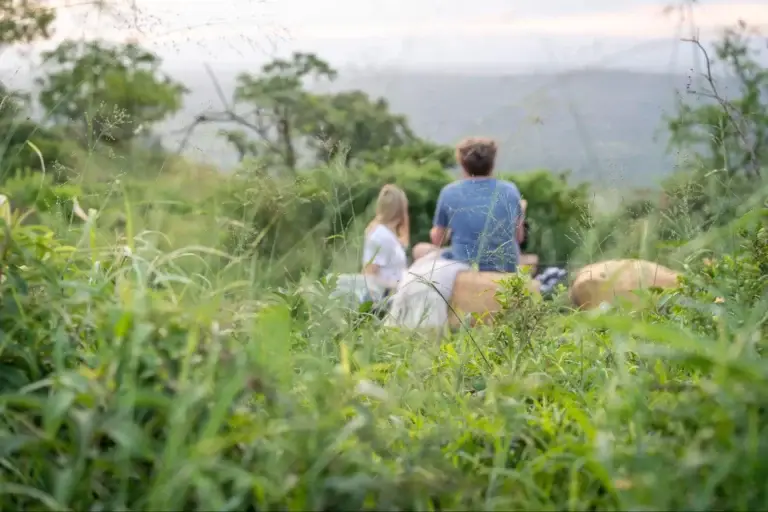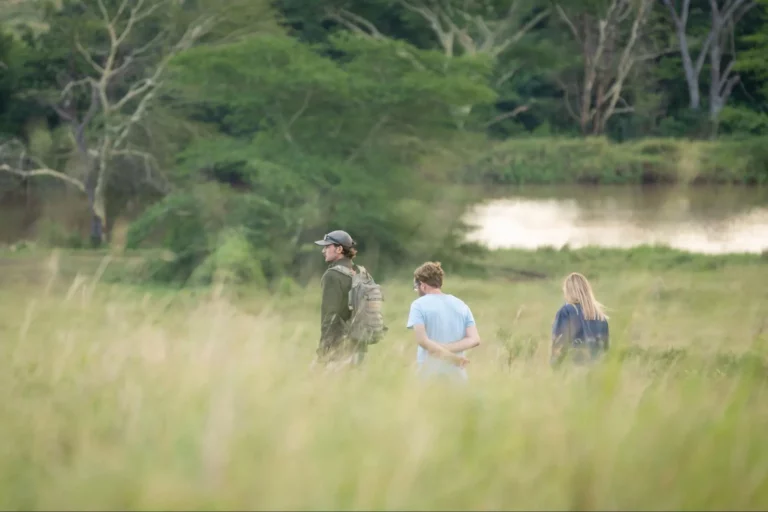
Some places make you choose between mountain, wetland and sea. Zululand doesn’t. From your balcony at Sungulwane, you’re ten minutes off the N2 and home in the Red Ivory forest, with lion calls drifting up from the valley. Point the car in almost any direction and within an hour or two you could be watching hippos surface on an ancient estuary, standing beside a leatherback turtle on a moonlit beach, or casting a line under the Lebombo Mountains.
October through January is the sweet spot for all of it. The bush is green and loud with life, the coast is warm, and along Kosi Bay and Sodwana, one of the ocean’s oldest rituals plays out after dark. It’s reason enough to tack an extra day or two onto your stay. If you’re mapping out your trip, here’s what surrounds us and why it matters.
What can you add on to a stay at Sungulwane?
Sungulwane sits in the middle of Zululand, within a short drive of some of KwaZulu-Natal’s best wetland and coastal destinations. The five most popular add-ons are the St Lucia Estuary, Cape Vidal, Kosi Bay, Jozini Dam and Sodwana Bay. Each shows you a different face of the region: hippos and crocodiles on the water, turtle nesting on the sand, remote lake snorkelling, tiger fishing, and world-class reef diving.
What is there to see at St Lucia Estuary?
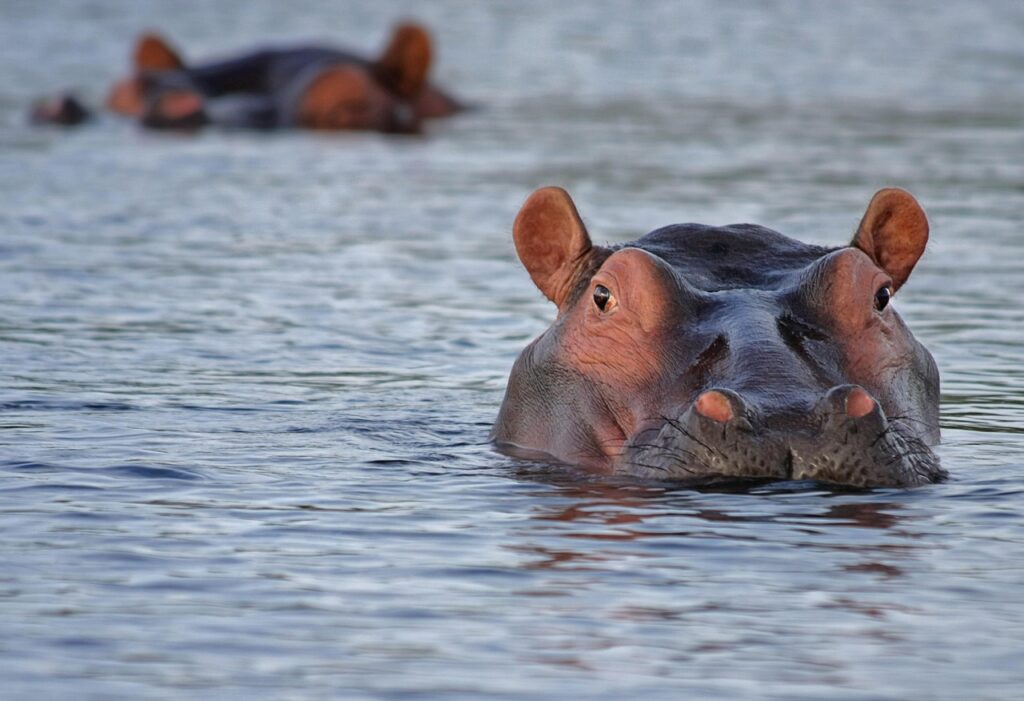
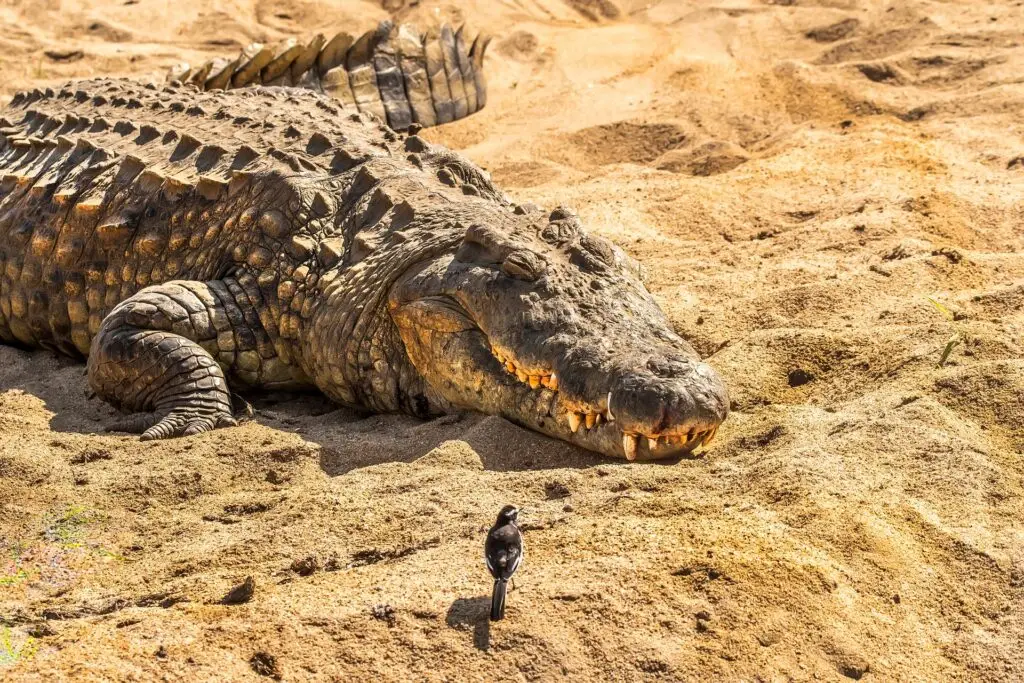
The St Lucia Estuary is the heart of the iSimangaliso Wetland Park, South Africa’s first World Heritage Site. It holds one of the country’s largest free-roaming hippo populations, close to a thousand Nile crocodiles, and enough birdlife to keep your binoculars busy for days.
The classic way to see it is a two-hour boat cruise: hippo pods breaking the surface, fish eagles overhead, the reeds parting now and then for a crocodile sliding into the water.
Is Cape Vidal worth visiting?
Yes, especially if you want the quieter side of iSimangaliso. Cape Vidal sits within the same park and trades the estuary’s activity for forested dune trails, empty beaches, and a decent chance of spotting buffalo or reedbuck grazing among the milkwood trees before the Indian Ocean opens up ahead. From November, it’s also one of the coastal stretches where nesting turtles turn up.
When is turtle nesting season at Sodwana and Kosi Bay?
Turtle nesting runs from October through January along the Maputaland coast. Loggerhead and leatherback turtles return to the very sands where they hatched decades earlier, hauling themselves ashore under moonlight to dig their nests and lay their eggs. Hatchlings start their dash to the sea from January onward.
It’s one of the last places in Africa where this still happens. A guided night walk along the beach, watching a 900kg leatherback go about a ritual older than memory just metres away, is unlike anything else on offer here.
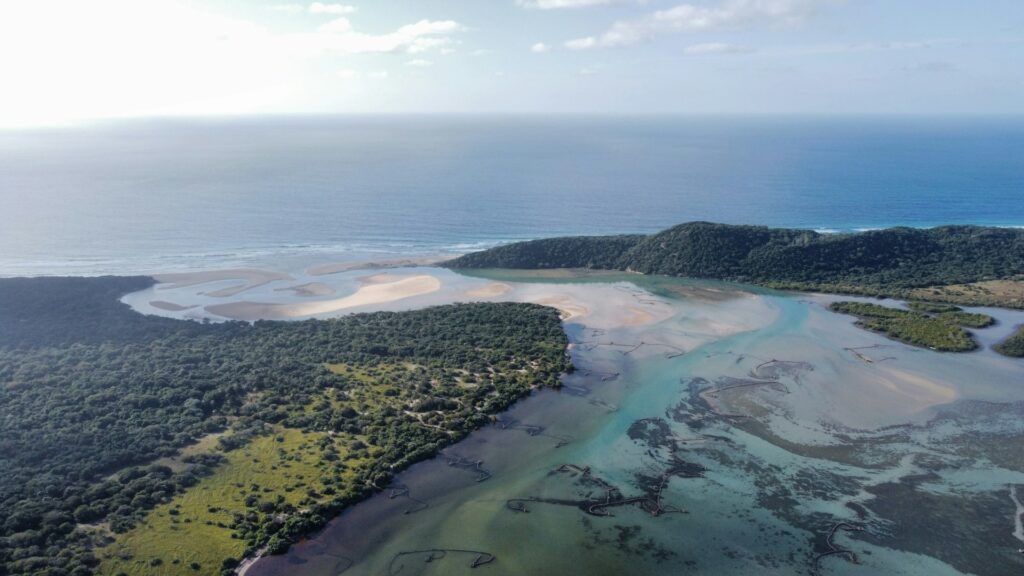
Kosi Bay earns the extra distance beyond the turtles too. Its four interlinked lakes drain to the sea through channels so clear you can snorkel them, past traditional Thonga fish kraals still worked much as they have been for generations.

What can you do at Jozini Dam?
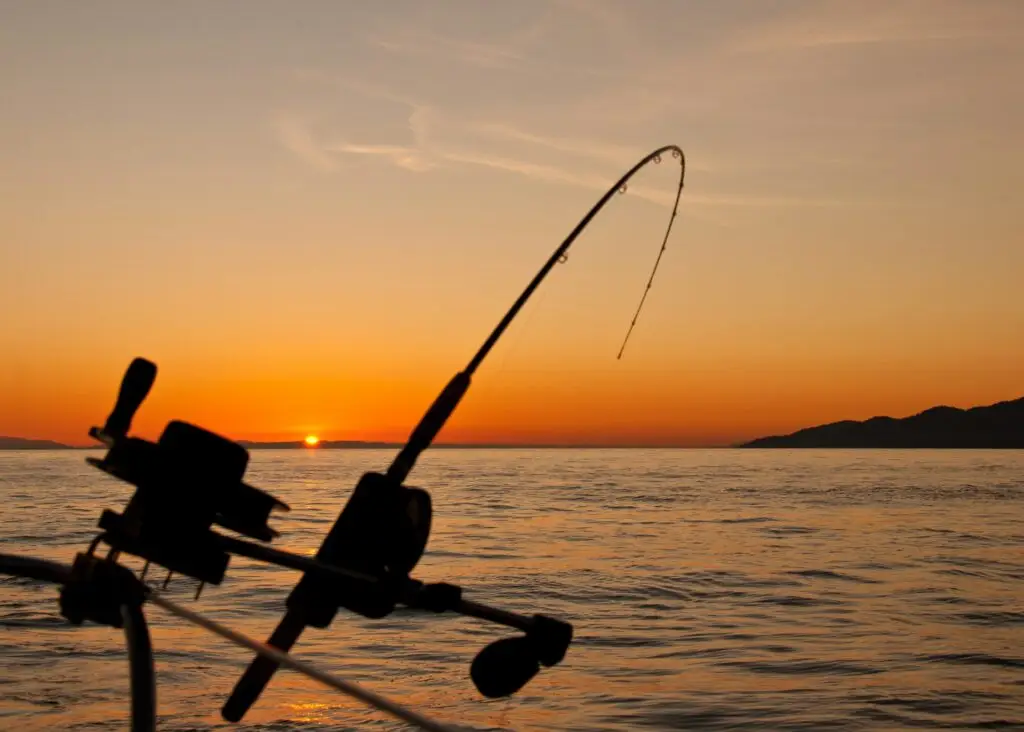
To the west, Jozini Dam offers tiger fishing and boat cruises against the Lebombo Mountains and Ghost Mountain. It’s a striking, lesser-visited landscape for anyone who wants a change of scenery without leaving the water.
Why is Sodwana Bay good for diving?
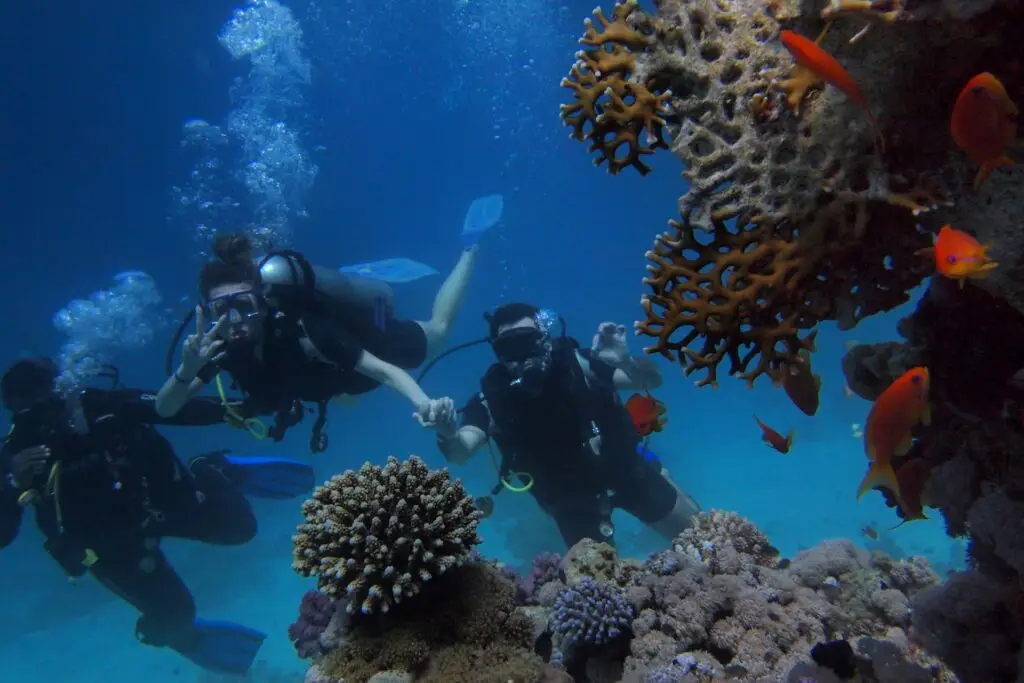
Sodwana Bay is South Africa’s diving capital and home to one of the southernmost living coral reef systems on Earth. The reefs, named for their distance up the coast (Two Mile, Five Mile, Seven Mile and beyond) are a world of soft corals, swim-throughs and resident marine life. From November the water warms considerably, making late spring and summer the most comfortable window of the year to dive or snorkel the reef.
Why is October to January the best time to visit the coast?
Two things line up in this window. It’s the start of turtle nesting season, with loggerheads and leatherbacks coming ashore from October to lay their eggs. And it’s when the ocean warms, making for calmer, more comfortable diving and snorkelling at Sodwana. Put together, it’s one of the richest stretches of the year to pair a Sungulwane safari with time on the coast.
Why it works so well with Sungulwane
We built Sungulwane as a home in the wilderness, not a hotel with a view of it. Four generations of one family have chosen this land as the place to slow down and pay attention. That instinct is exactly why the wider landscape feels like a natural extension of a stay here.
Zuka Private Game Reserve gives you the intimacy: eight suites, twenty guests at most, the kind of quiet where you can hear the bush breathing. The wetlands, lakes and coastline around us give you the contrast: open water, ocean, a completely different rhythm, each only a drive away.
It’s what drew the Morrison family to this corner of Zululand in the first place. A landscape generous enough to hold bush, lake and sea within a single day’s reach, and worth exploring properly rather than rushing through.
If you’d like help weaving any of this into your itinerary, our team is glad to arrange it – transfers, timing and all – so all you have to decide is how far you’d like to wander.